HomeAdvantage DC (DCHFA)
By Tyler Thompson · NC-Licensed Real Estate Agent · Updated November 2, 2026
About the HomeAdvantage DC (DCHFA)
HomeAdvantage DC is a mortgage revenue bond program the DC Housing Finance Agency launched on May 11, 2026, offering a below-market 30-year fixed first mortgage for homes in the District. Buyers can take the mortgage alone or add a 0% deferred down payment assistance loan of up to 3% of the price with a conventional loan, or up to 3.5% with FHA or VA. It is DCHFA's bond-funded option for low- and moderate-income households.
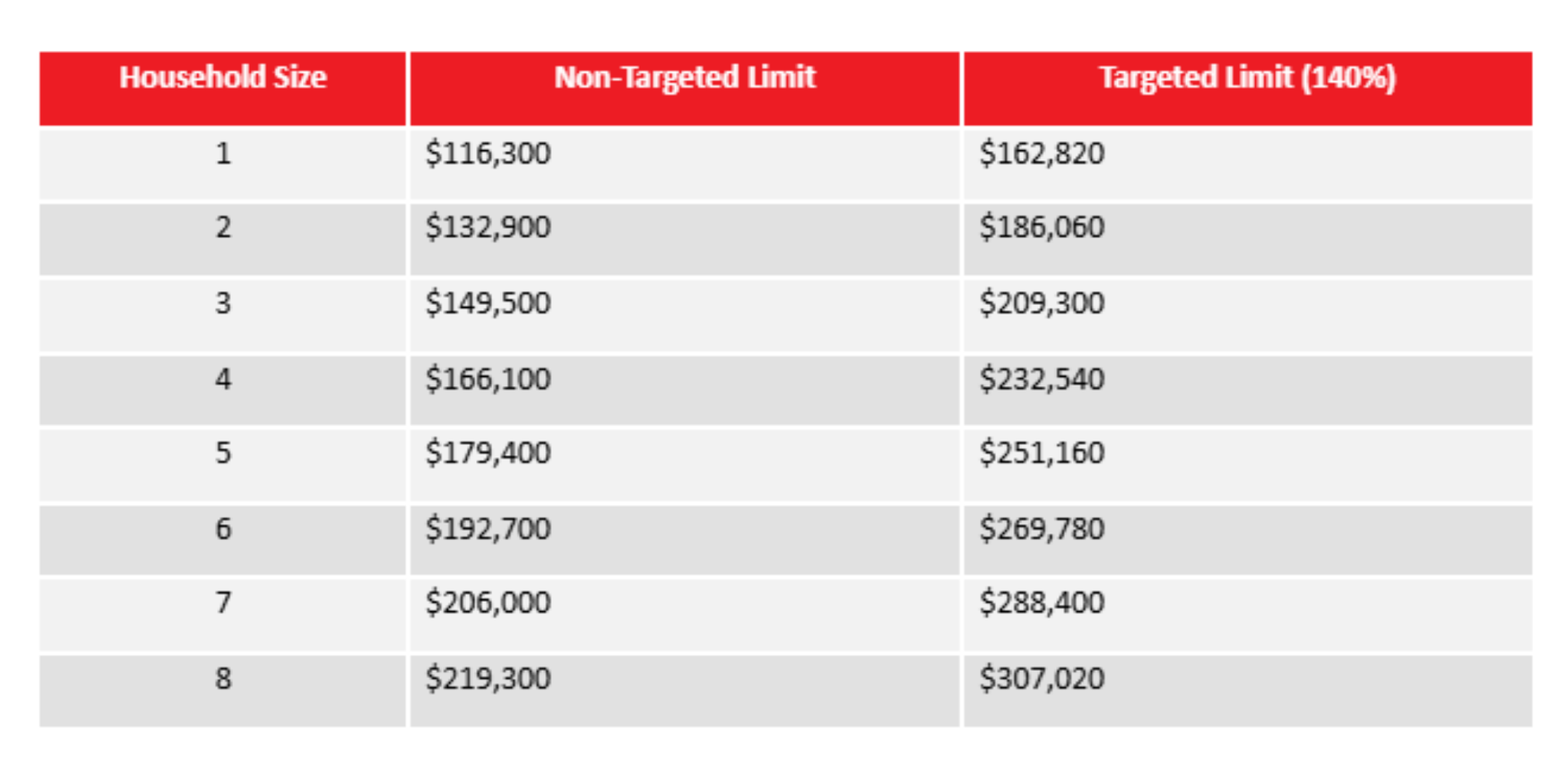
Income limits effective May 1, 2026 count every occupant 18 and older, not just the borrowers: $116,300 for one person, $132,900 for two, $149,500 for three, $166,100 for four and up to $219,300 for eight. In federally targeted areas the limits rise to 140%, from $162,820 for one person to $307,020 for eight. Buyers must be first-time homebuyers, meaning no home purchase in the last three years, though DCHFA waives that rule in targeted areas. The program page sets a 660 minimum credit score, up from the 640 in the May launch release, and a 50% maximum debt-to-income ratio. FHA files above 45% need a HUD compensating factor. Single-family attached and detached homes, condos and townhomes qualify, as a primary residence.
Purchase prices are capped at $1,306,974 in non-targeted areas and $1,597,413 in targeted areas. DCHFA hasn't published the assistance loan's repayment trigger, so ask the lender when it comes due. DC Open Doors uses a $275,400 borrower-only income test with no first-time rule, and its 0% loan is due at sale, refinance or 30 years; DC4ME serves District government employees.
See programs you qualify for
Get Matched Free →How much assistance
Eligibility
- Income limits: Mortgage revenue bond limits effective 5/1/2026, counting all occupants 18 and older. Non-targeted areas: $116,300 (1 person), $132,900 (2), $149,500 (3), $166,100 (4), $179,400 (5), $192,700 (6), $206,000 (7), $219,300 (8). Targeted areas (140%): $162,820 (1) to $307,020 (8).
- Purchase price limit: $1,306,974
- First-time buyer required: Yes — First-time homebuyer or no home purchased in the last three years; the first-time rule is waived for homes in federally targeted areas of the District.
- Credit score minimum: 660
- Geographic restrictions: Homes in the District used as a primary residence: single-family attached and detached homes, condominiums and townhomes. Purchase price limits effective 5/1/2026: $1,306,974 in non-targeted areas and $1,597,413 in targeted areas. Maximum debt-to-income ratio 50%. Through a participating DCHFA lender. A standard first mortgage without the down payment loan is also offered.
How to Apply for HomeAdvantage DC (DCHFA)
Step 1: Check the household income chart
Open dchfa.org/homeownership/homeadvantage-dc/ and find your household size on the mortgage revenue bond chart. A household of four can earn up to $166,100 in a non-targeted area or $232,540 in a targeted area. Count the income of every occupant 18 and older, including adult children and relatives who aren't on the loan. If that total is over the line, compare DC Open Doors, which counts only the borrower.
Step 2: Confirm first-time status or a targeted area
HomeAdvantage DC is for buyers who haven't purchased a home in the last three years. Owners who bought more recently can still qualify when the home is in a federally targeted area of the District, where DCHFA grants an exception and the price limit rises to $1,597,413. Ask a DCHFA lender to check the property's census tract before you write an offer.
Step 3: Attend DCHFA's two-part homebuyers webinar
DCHFA's application steps include registering for its monthly two-part homebuyers webinar, and the launch release says first-time buyers must take a homebuyer education course. Sign up through dchfa.org early, since sessions run once a month and a missed one can push your timeline back weeks. Save the completion certificate; your lender adds it to the file it sends to DCHFA.
Step 4: Choose a DCHFA lender and loan type
Only DCHFA participating lenders originate HomeAdvantage DC loans; find them at dchfa.org/homeownership/find-a-lender/ or call DCHFA at 202-777-1600. Decide between three options: the first mortgage alone, a conventional loan with up to 3% assistance, or FHA or VA with up to 3.5%. The lender checks the 660 credit score and 50% debt-to-income limit at pre-approval.
Step 5: Shop under the District price limit
The home must be in the District and become your primary residence. Single-family attached and detached homes, condominiums and townhomes qualify. Keep the price at or under $1,306,974 in non-targeted areas or $1,597,413 in targeted areas, effective May 1, 2026. For a condo, confirm with the lender early that the building meets the project rules for your chosen conventional, FHA or VA loan.
Step 6: Lock the rate and close with DCHFA review
Once your offer is accepted, the lender locks the below-market rate, orders the appraisal and underwrites the file. FHA borrowers above 45% debt-to-income need a HUD compensating factor, such as reserves of three monthly payments, a minimal payment increase or enough residual income. The participating lender handles the loan from application to settlement and reserves the assistance loan with DCHFA.
Real Cost Example
At Washington's $737,100 median, a conventional buyer putting 3% down needs $22,113. HomeAdvantage DC's assistance loan of up to 3% of the price covers that $22,113 at 0% with no monthly payment, so the down payment can come entirely from DCHFA. The first mortgage would be about $714,987, well under the $1,306,974 non-targeted price limit.
Estimated closing costs in Washington run $14,500 to $22,000, and the down payment loan doesn't reach them once it has covered the full 3%. That leaves the buyer bringing $14,500 to $22,000 at settlement. A seller credit negotiated in the contract can cover part of it, within the loan type's limit on seller contributions.
An FHA buyer on a $500,000 condo needs 3.5% down, or $17,500, and HomeAdvantage DC's 3.5% loan covers it. A four-person household must earn $166,100 or less in a non-targeted area. If an adult relative's income pushes the household over, DC Open Doors covers the same 3.5% minimum down payment while counting only the borrower's income.
Combining With Other Programs
HomeAdvantage DC packages its own help: a below-market 30-year fixed first mortgage plus a 0% deferred loan of up to 3% with conventional financing or 3.5% with FHA or VA. DCHFA's program page and May 11, 2026 launch release name no other assistance program that layers on top. Ask your DCHFA lender in writing whether a second source of help is allowed before you count on it.
HomeAdvantage DC can't be combined with DC Open Doors or DC4ME, because each is a separate DCHFA first trust mortgage and a home carries only one. Pick the program by your situation: first-time buyers within the bond income chart take HomeAdvantage DC, while repeat buyers outside targeted areas use DC Open Doors. Call DCHFA at 202-777-1600 with questions.
Other ways to lower cash to close include a seller credit written into the contract and gift funds where the first mortgage allows them. Because the assistance loan is capped at 3% or 3.5% of the price, buyers who put more down pay the extra themselves. Buyers who qualify for the targeted-area limits also get a higher price cap of $1,597,413 and income limits at 140%.
Pros and Cons
HomeAdvantage DC pairs a below-market 30-year fixed rate funded by mortgage revenue bonds with down payment help of up to 3% conventional or 3.5% FHA or VA, at 0% with no monthly payment. On Washington's $737,100 median, 3% is $22,113. The price limit of $1,306,974, or $1,597,413 in targeted areas, sits far above the District median, so price rarely rules a buyer out. Targeted areas also waive the first-time rule and raise income limits to 140%, up to $307,020 for eight people.
The biggest limitation is the household income test, which counts every adult occupant: a four-person household tops out at $166,100 outside targeted areas. Buyers who purchased in the last three years are excluded outside targeted areas. The 660 credit minimum is higher than the 640 on DC Open Doors, the assistance doesn't touch closing costs once it covers the down payment, and DCHFA hasn't published when the loan is repaid. DC Open Doors suits higher-earning households, and DC4ME suits District government employees.
Frequently Asked Questions
What are the HomeAdvantage DC income limits for 2026?+−
Do I have to be a first-time homebuyer for HomeAdvantage DC?+−
How much down payment help does HomeAdvantage DC give?+−
What credit score do I need for HomeAdvantage DC?+−
What is the HomeAdvantage DC purchase price limit?+−
Free eligibility check
See every program you may qualify for
How soon are you looking to buy?
Sources
Last verified November 2, 2026.
- DC Housing Finance Agency: HomeAdvantage DC program page
- DC Housing Finance Agency: HomeAdvantage DC income limits chart
- DC Housing Finance Agency: HomeAdvantage DC launch press release (PDF)
- DC Housing Finance Agency: DC Open Doors
- DC Housing Finance Agency: DC4ME program page
- DC Housing Finance Agency: Find a Lender