Down payment assistance
URA Down Payment and Closing Cost Assistance Program
By Tyler Thompson · NC-Licensed Real Estate Agent · Updated October 23, 2026
About the URA Down Payment and Closing Cost Assistance Program
The URA Down Payment and Closing Cost Assistance Program is a 0% interest deferred loan from the Urban Redevelopment Authority of Pittsburgh, funded by the city's Housing Opportunity Fund. First-time buyers under 80% of area median income can receive up to $7,500, and buyers between 80% and 115% can receive up to $5,000. Only homes inside Pittsburgh city limits qualify, not the rest of Allegheny County.
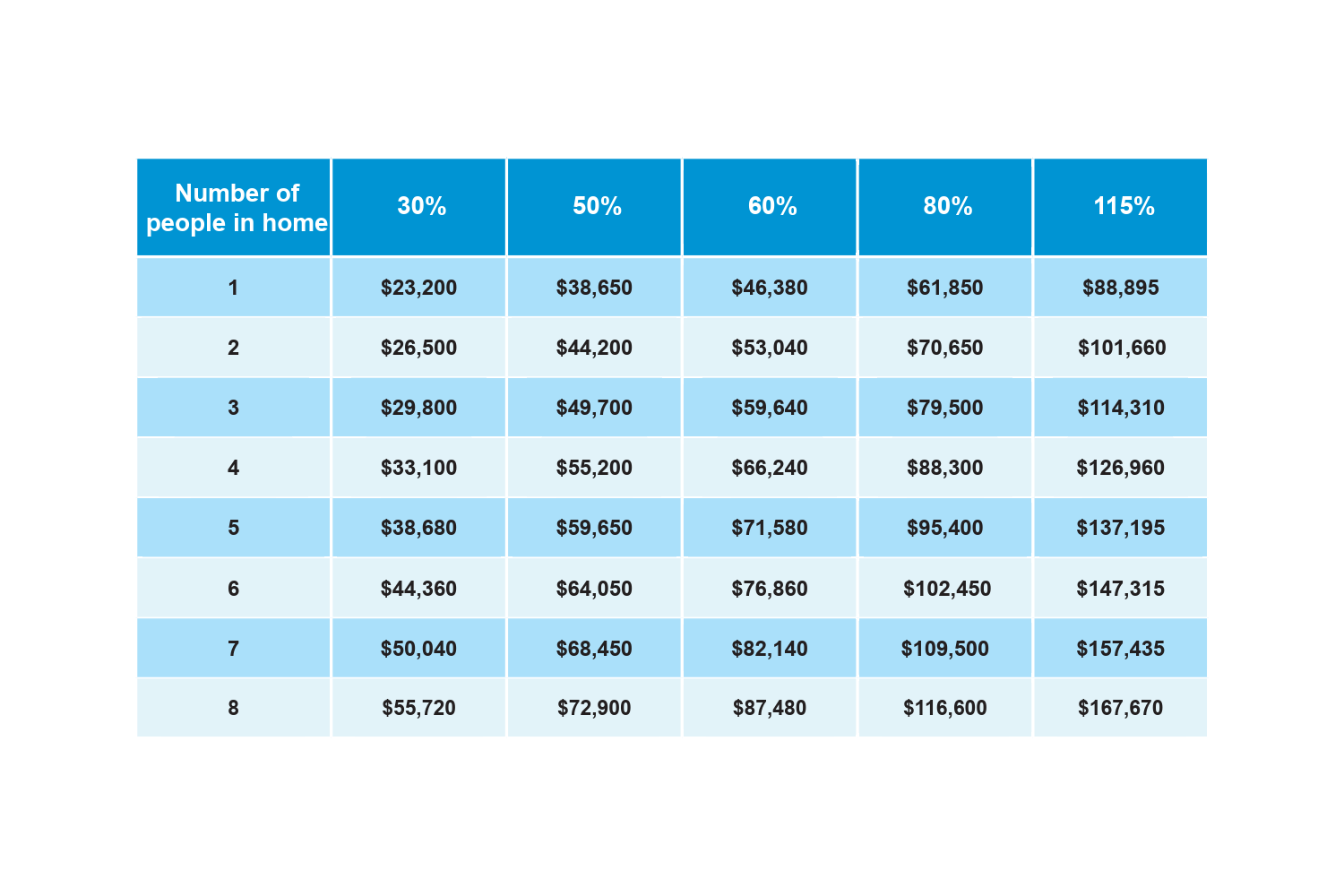
Household income is capped by the URA's 2026 chart. The 80% line is $61,850 for one person, $70,650 for two, $79,500 for three and $88,300 for four. The 115% ceiling is $88,895 for one person, $101,660 for two, $114,310 for three, $126,960 for four and $167,670 for eight. Every buyer must be a first-time homeowner in the City of Pittsburgh, meaning no past ownership interest in a principal residence inside the city. When two people buy together, at least one adult on the deed must pass that test. Buyers also need a HUD-certified first-time homebuyer course and no unpaid city, county or school real estate taxes, unless they have been on a payment plan for six months. The rule that catches savers is the asset cap: no more than $20,000 in liquid assets may remain after closing.
There are no monthly payments. Under the URA's guidelines, the $7,500 loan is forgiven in full after five years in the home, but is due in full if you sell, transfer or move out sooner. The $5,000 loan is forgiven 10% a year over ten years, so an early sale repays only the unforgiven balance. URA charges a closing fee of 2% of the loan, or $150 on $7,500. PHFA's Keystone Advantage lends up to $6,000 but is repaid monthly, while K-FIT gives 5% forgiven over ten years.
See programs you qualify for
Get Matched Free →Free to you. We may earn a referral fee from an agent you’re matched with.
How much assistance
Eligibility
- Income limits: Household income at or below 115% of Pittsburgh AMI (2026): $88,895 (1 person), $101,660 (2), $114,310 (3), $126,960 (4), $137,195 (5), $147,315 (6), $157,435 (7), $167,670 (8). The $7,500 tier requires income under 80% AMI: $61,850 (1), $70,650 (2), $79,500 (3), $88,300 (4), $95,400 (5), $102,450 (6), $109,500 (7), $116,600 (8). Liquid assets may not exceed $20,000 after closing.
- First-time buyer required: Yes — Must not have had an ownership interest in a principal residence in the City of Pittsburgh at any time. With multiple borrowers, at least one adult resident on the deed must be a first-time homeowner in the City of Pittsburgh.
- Geographic restrictions: Must purchase a home within the City of Pittsburgh as a primary residence. Must not have outstanding City, County, or School real estate taxes (or must show a payment plan for at least 6 months).
- Homebuyer education required: Yes

How to Apply for URA Down Payment and Closing Cost Assistance Program
Step 1: Check your income against the 2026 chart
Add up gross income for everyone in the household, then compare it with the chart at ura.org/pages/down-payment-and-closing-cost-assistance-program. A family of four under $88,300 lands in the $7,500 tier, while one between $88,300 and $126,960 lands in the $5,000 tier. Also total your checking, savings, CDs, stocks and money market accounts, because more than $20,000 left after closing makes you ineligible.
Step 2: Finish a HUD-certified homebuyer course
The URA requires a first-time homebuyer course taught by a HUD-certified counselor, and its program guidelines call for at least 8 hours of education. Find a local agency through HUD's search tool at answers.hud.gov/housingcounseling. Keep the completion certificate, because your lender attaches it to the URA application along with your federal tax returns for the most recent three years.
Step 3: Choose a lender that will file for you
Buyers cannot apply to the URA directly. Your mortgage lender completes the 2026 Application and Check Request and sends it to the Housing Support Department, 412 Boulevard of the Allies, Suite 901, Pittsburgh, PA 15219. The needs assessment form covers FHA and conventional first mortgages, so ask each lender whether it has closed URA down payment loans before.
Step 4: Get pre-approved and clear tax bills
During pre-approval, the lender certifies your household income and completes the URA needs assessment, which subtracts a $20,000 asset allowance from your net assets. Pay off any overdue City of Pittsburgh, Allegheny County or school district real estate taxes now. If you cannot, set up a payment plan and keep it current for at least six months, since unpaid taxes block approval.
Step 5: Buy a home inside city limits
The property must sit within the City of Pittsburgh, be built for year-round living, and become your primary residence with your name on the deed. A house, townhouse or duplex works, as long as you occupy one of the two units. After you sign a sales agreement, the lender adds it, the loan estimate, the 1003 form and two appraisal pages to the URA file.
Step 6: Submit 21 business days before closing
The URA must receive the complete package at least 21 business days before your closing date, so write that lead time into the sales agreement. The URA may inspect the home or rely on the lender's inspection. At closing you pay the 2% fee and sign a note and mortgage recorded in the URA's name. Questions go to hof@ura.org or 412-255-6694.
Real Cost Example
A household of three earning $72,000 sits under the URA's $79,500 line, so it qualifies for the tier that pays up to $7,500. Buying a $200,000 rowhouse in Pittsburgh with an FHA loan, it owes a 3.5% down payment of $7,000. The URA sizes each award to the gap its needs assessment shows, so a buyer holding $12,000 in savings may be offered less than the full $7,500.
Estimated closing costs in Pittsburgh run $4,500 to $7,000, putting total cash due at $11,500 to $14,000 before any help. A $7,500 URA loan cuts that to $4,000 to $6,500, plus the $150 URA closing fee. The URA worksheet subtracts seller cash concessions and gift funds before setting your award, so negotiate seller credits first.
Pairing the URA loan with PHFA's Keystone Advantage Assistance Loan on a Keystone Government FHA mortgage adds the lesser of 4% ($8,000 here) or $6,000. URA's $7,500 plus PHFA's $6,000 totals $13,500, enough for the down payment and most closing costs. Advantage is repaid at about $50 a month for 10 years and needs a 660 credit score.
Combining With Other Programs
The URA's own application names the other money it expects to see in a purchase: seller cash concessions, gift funds, and grant or loan funds from the Housing Authority of the City of Pittsburgh (HACP). It also has a line for URA deferred second mortgages, which apply only to URA-funded developments such as Own PGH. Statewide, PHFA's Keystone Advantage lends the lesser of 4% or $6,000 at 0% over 10 years, and K-FIT gives 5% of the price with a Keystone Home loan.
Neither the URA page nor its guidelines address PHFA pairing, and PHFA's pages say nothing about local loans either, so have your lender confirm lien order before counting both. The asset rules differ: PHFA allows up to $50,000 in liquid assets after closing, but URA stops at $20,000, so the URA cap controls. Because URA awards are need-based, extra help may shrink the URA amount. Call the Housing Opportunity Fund at 412-255-6694.
Gift money from relatives is listed on the URA worksheet and works best for costs above the URA cap. Buyers earning more than 115% of area median fall outside URA entirely but can still look at PHFA's Keystone Home loan paired with K-FIT. Duplex buyers should ask their lender whether rent from the second unit can count toward qualifying income.
Pros and Cons
The biggest advantage is cost: 0% interest, no monthly payment, and full forgiveness after five years for buyers under 80% of median, so a $7,500 loan becomes free money for owners who stay. The 115% income ceiling, $126,960 for a family of four in 2026, reaches well into middle incomes. The first-time test looks only at past ownership inside Pittsburgh, so a former owner elsewhere can still qualify. Compared with PHFA's Keystone Advantage, which costs about $50 a month, the URA loan never touches your monthly budget, and it covers duplexes as well as single homes.
The biggest limitation is size: $7,500 at most, and $5,000 in the 80% to 115% tier, against estimated Pittsburgh closing costs of $4,500 to $7,000 alone. The $20,000 liquid asset cap shuts out steady savers, and the award shrinks to the need your lender documents. Selling or moving out within five years makes the full $7,500 due, a hard cliff with no partial credit. You also need a cooperating lender and 21 business days of lead time. Buyers needing more should compare PHFA's K-FIT at 5% of the price or the Keystone Advantage Assistance Loan.
Frequently Asked Questions
How much down payment assistance can I get from the URA in Pittsburgh?+−
Do I have to pay back the URA down payment loan?+−
Can I use URA down payment assistance outside Pittsburgh city limits?+−
Can I get URA assistance if I have owned a home before?+−
How long does the URA down payment assistance process take?+−
Free eligibility check
See every program you may qualify for
How soon are you looking to buy?
Free to you. We may earn a referral fee from an agent you’re matched with.
Sources
Last verified October 23, 2026.